 Sofia BernasconiVIEW PROFILE →
Traveling to eat: how food became one of the biggest reasons to book a trip in 2026
Food is no longer a side note on the itinerary. In 2026, culinary tourism has become a booming, multibillion-dollar force, and travelers are increasingly chasing street food and local markets over fine dining.
For a growing number of travelers, the first question about a trip is no longer where to go, but what to eat when they get there. Food has moved from a pleasant side note to the main reason people book a journey at all, and in 2026 culinary tourism has become one of the fastest growing forces in the entire travel industry. The plate, increasingly, comes before the postcard.
A multibillion-dollar appetite
The scale of the shift is striking. According to market research, the global culinary tourism sector is projected to be worth around 137.8 billion dollars in 2026. In North America the momentum is even stronger, with the market expected to grow at a rapid pace of roughly 21 percent a year through the early 2030s, a rate that few travel segments can match.
Behind those numbers sits a clear change in what travelers want. Surveys suggest that nearly 80 percent of travelers now say cuisine is important or very important when they choose a destination. Food is no longer an afterthought to be figured out on arrival, it is increasingly the deciding factor that shapes the entire trip.
Street food over stars
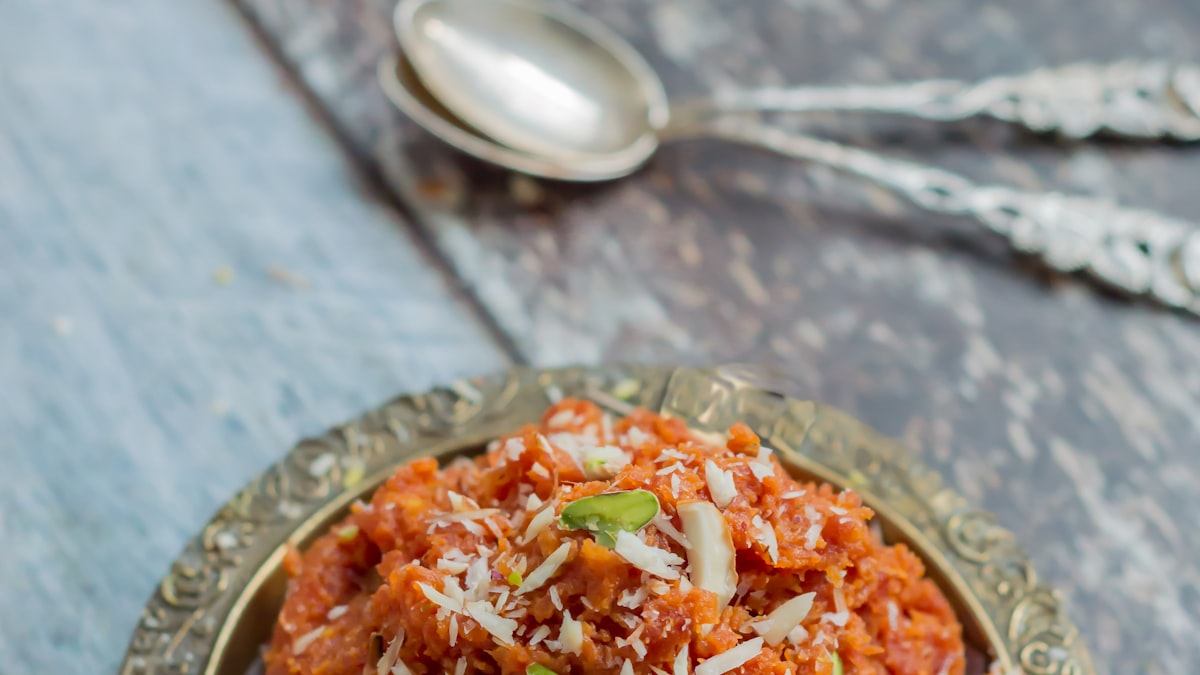
What is perhaps most telling is where that appetite is pointing. It is not toward white tablecloths and tasting menus. Around 66 percent of travelers say they are most excited by street food, and roughly 64 percent prefer unique, local experiences over Michelin starred restaurants. The prestige of the fine dining room is quietly giving way to the honesty of the street stall.
Eating like a local has become the goal in itself. That can mean browsing a neighborhood market, stocking up on regional snacks from a corner shop, or seeking out the everyday dish that residents actually eat rather than the version staged for tourists. Authenticity, not exclusivity, is the new luxury for the food focused traveler.
The trend also rewards participation over observation. Trips built around cooking classes, market tours, foraging, and direct contact with small producers tend to feel far more memorable than itineraries planned solely around restaurant reservations. Travelers increasingly want to get their hands dirty, learning a place through its ingredients rather than simply consuming them.
The TikTok effect
None of this is happening in isolation from screens. Platforms such as Instagram and TikTok now strongly shape where and what people eat, with younger travelers in particular relying on viral food content to discover hidden gems. A single clip of a sizzling grill or a colorful dish can push a destination up someone's list overnight.
That influence cuts both ways. A viral dish can turn a modest stall or an entire city into a bucket list stop almost instantly, bringing welcome income to small vendors. But it can also flood the very places that made the food special, straining tiny kitchens and changing the character of a neighborhood faster than it can adapt.
The challenge, as the sector grows, is keeping it genuine. The lasting value of food tourism lies in supporting the small producers and family kitchens that give a region its flavor, rather than reducing them to backdrops for a photograph. Handled well, the attention sustains a tradition, handled badly, it hollows it out.
Where the food travelers are going
Some destinations have become reliable favorites. Portugal and Tuscany remain consistently among the most in demand culinary regions in 2026, prized for their deep food cultures, distinctive regional specialties, and the sense that eating well is simply part of daily life rather than a special occasion.
Elsewhere, the fastest growth is coming from further afield. Interest is rising quickly in places such as Peru and South Africa, whose bold and distinctive cuisines are drawing a new wave of food focused travelers beyond the traditional European heartlands. For many, the appeal is precisely that these flavors still feel like a discovery.
Asia, meanwhile, continues to reward those who chase flavor over formality. Thailand's 2026 Michelin Guide recognized 137 restaurants with the Bib Gourmand distinction, a category that celebrates excellent food at moderate prices. It is a reminder that some of the most memorable meals a traveler can have cost a fraction of a fine dining bill.
In the end, food tourism is about more than eating well. It is a way of understanding a place through its markets, its ingredients, and its traditions, which is why it has become one of the most meaningful ways to travel. As 2026 makes clear, the fastest route to the heart of a destination increasingly runs straight through its kitchens, and the best souvenir is often a taste you cannot forget.