 Sofia BernasconiVIEW PROFILE →
Why the Food World Is Flying to Lima: How Peru's Capital Became Gastronomy's Center of Gravity in 2026
This November, the most powerful names in global fine dining will converge on Lima, Peru, as The World's 50 Best Restaurants stages its awards ceremony in the Peruvian capital for the first time. On the back of Maido's reigning World's Best Restaurant crown and the global rise of Nikkei cuisine, Lim
For years, travelers plotting a great culinary pilgrimage instinctively pointed their compass toward Paris, Tokyo or San Sebastian. In 2026, a growing number of them are booking flights to a different address entirely: Lima, the sprawling, fog-draped capital of Peru that has spent the last decade quietly turning itself into one of the most exciting food destinations on Earth.
The Awards Come to Lima
The clearest signal of that shift arrives this November, when The World's 50 Best Restaurants, arguably the most influential ranking in global fine dining, stages its awards ceremony in the Peruvian capital. The event, scheduled for the fourth of November, marks the first time the coveted list will crown its champions on Peruvian soil, and it will be streamed live for a worldwide audience.
Getting there was not entirely straightforward. The 2026 edition had originally been slated to take place in Abu Dhabi before organizers relocated the ceremony to Lima, a change that ultimately hands the spotlight to a city already regarded across Latin America as the gastronomic heart of the continent.
A Reigning World Champion
Lima does not arrive at this moment by accident. The city is currently home to the reigning World's Best Restaurant, Maido, which claimed the number one spot at the 2025 ceremony in Turin, climbing from fifth place the previous year to seize the single most prestigious title in the restaurant world.
Because former winners are eventually moved into a separate Best of the Best hall of fame, Maido's triumph means a brand new number one will be announced in Lima this year. That quirk of the rules turns the November ceremony into an open contest, adding a layer of suspense that has the global dining community watching closely.
The Rise of Nikkei
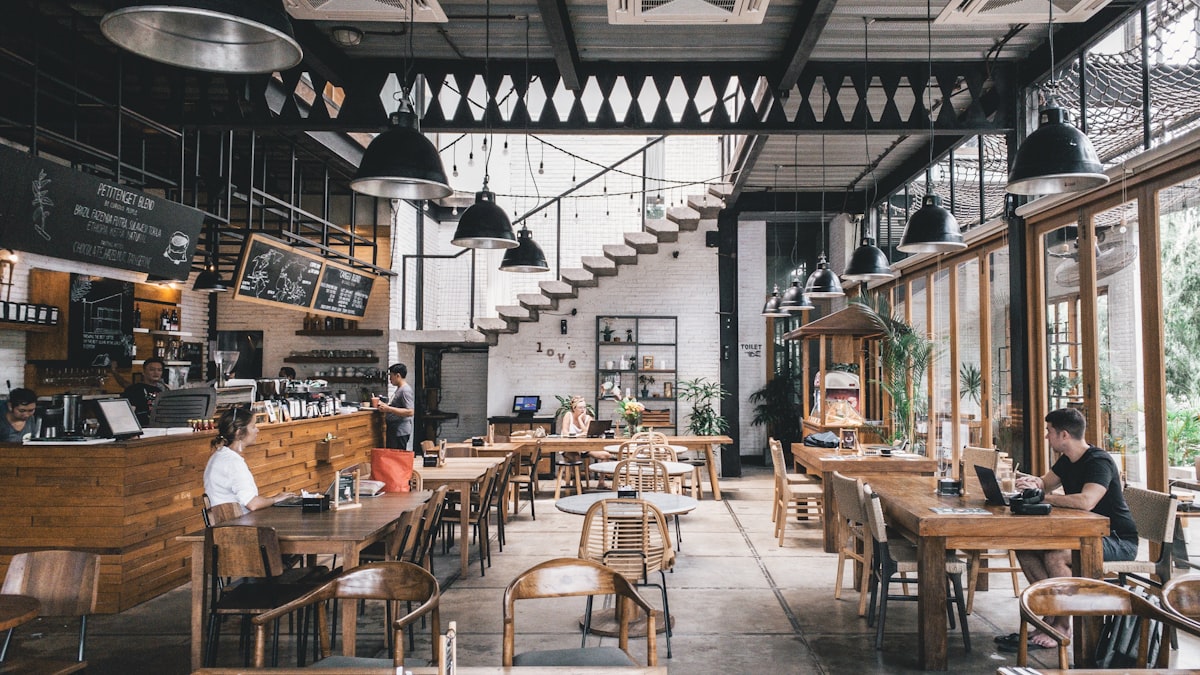
At the center of Maido's story sits chef-owner Mitsuharu Tsumura, known affectionately as Micha, and the cuisine he has spent his career championing: Nikkei. This distinctive style fuses Japanese precision and technique with the vibrant ingredients and bold flavors of Peru, a blend born from a very real history of migration between the two nations.
That history runs deep in Tsumura's own family. His ancestors first arrived in Peru from Japan back in 1889, part of a wave of Japanese immigration that would eventually reshape the country's culinary identity. Born in Lima, he trained in the United States and then travelled to Osaka to master Japanese cooking before opening Maido in his home city in 2009.
The result is a menu that treats seasonality and cultural storytelling as seriously as it treats flawless technique, and it has helped push Nikkei from a local curiosity into an internationally celebrated cuisine. For food travelers, it offers something increasingly rare: a dining experience that could not exist anywhere else in the world.
A City, Not Just a Restaurant
What makes Lima compelling is that its reputation does not rest on a single dining room. This is a city where Central, another Lima institution, has itself claimed the world's top ranking in the recent past, and where world-class kitchens sit alongside bustling markets, humble cevicherias and street stalls slinging fresh seafood.
For visitors, that density is part of the appeal. A single trip can move from a multi-course tasting menu built around Amazonian and Andean ingredients to a plate of ceviche eaten steps from the Pacific, all within the same day, offering a range of experiences that few other food capitals can genuinely match.
What It Means for Travelers
The practical takeaway for anyone planning a 2026 itinerary is simple. The world's most powerful gathering of chefs and restaurateurs choosing Lima as its stage is the kind of endorsement that reshapes travel maps, and reservations at the city's marquee tables are likely to grow only harder to secure as the ceremony approaches.
It also underlines a broader truth about how modern travelers choose where to go. Increasingly, the meal is the destination rather than an afterthought, and cities that can tell a genuine, deeply rooted food story are winning attention that once flowed automatically to a handful of established European capitals.
Whatever name is read out on that November evening, the real winner may well be Lima itself. By hosting the ceremony and holding the reigning crown at the same time, Peru's capital has effectively announced that the center of gravity in global gastronomy has drifted, at least for now, firmly toward the Pacific coast of South America.