 Sofia BernasconiVIEW PROFILE →
Europe's new biometric borders: what US travelers need to know in 2026
The EU's Entry/Exit System is now fully operational, replacing passport stamps with fingerprints and facial scans, while the long delayed ETIAS authorization still looms for American visitors.
Americans planning a trip to Europe are meeting a very different border process this year. The European Union's Entry/Exit System, known as the EES, became fully operational on April 10, 2026, replacing the familiar ink passport stamp with digital biometric checks. A second, separate requirement called ETIAS is also on the way, though it has been repeatedly delayed.
The EES is a shared digital system that records the entries and exits of non European travelers making short stays across 29 European countries. Instead of a manual stamp, the system captures a fingerprint scan, a facial image and the traveler's passport details, creating an electronic record that then follows each visitor across the Schengen Area.
How the Entry/Exit System works
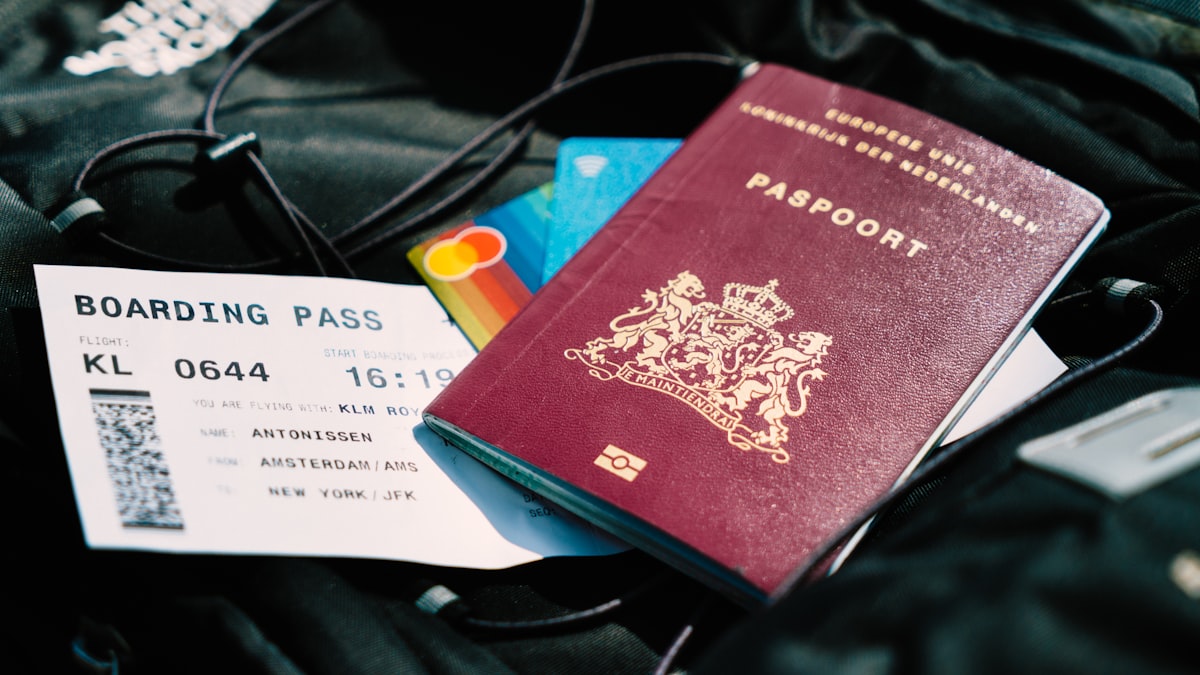
On a first crossing, visitors register their biometrics, meaning fingerprints and a facial photo, along with their passport information. Those records are then shared across the 29 participating countries, a list that includes France, Spain, Greece, Germany, Italy, the Netherlands, Portugal, Belgium, Malta and Switzerland, so that later crossings can be processed more quickly.
The system also enforces the so called 90/180 rule automatically. Visa exempt travelers, including United States citizens, may spend a maximum of 90 days within any 180 day period in the Schengen Area. Because the EES tracks every entry and exit digitally, overstays are far easier for authorities to detect than they were under the old paper based approach.
The data does not disappear quickly either. Records are kept for three years after a traveler's last entry or exit, and that retention period is extended to five years for anyone who overstays the permitted limit. The goal is a precise digital trail, one that removes both the guesswork and the crowded pages of passport stamps almost entirely.
The rollout has been bumpy
The transition has not been smooth. After a phased start in October 2025 and full activation in April 2026, waiting times climbed sharply. The airport group ACI Europe reported queues averaging two to three hours or longer at 15 airports after the April launch, and by July an open letter warned that peak waits had reached as high as five hours at some crossings.
The reasons are structural. Registering biometrics for the first time simply takes longer than stamping a passport, and the change arrived alongside heavy summer traffic, new self service kiosks and staff still adjusting to the process. The result was serious congestion at major hubs, and some travelers reported missing connecting flights because of the added delays.
For now, the practical advice is straightforward. Travelers should arrive at the airport earlier than they normally would, especially at large Schengen gateways during peak season, and keep their passport ready. The very first crossing of a trip tends to take the longest, since that is the moment when the full biometric enrollment actually takes place.
ETIAS: the next change for Americans
Separate from the EES is ETIAS, short for the European Travel Information and Authorisation System. It is a pre travel authorization that works much like the United States ESTA program, and it will be required for citizens of visa free countries, including Americans, Canadians, Britons and Australians, before they are allowed to fly to Europe.
The cost has already changed. The European Commission raised the ETIAS fee from 7 euros to 20 euros, a decision confirmed in July 2025. Once the system is finally running, an approved authorization is expected to remain valid for three years, or until the holder's passport expires, whichever of the two dates comes first.
The timing, however, remains uncertain. The Commission had signaled a launch in the final quarter of 2026, but in mid 2026 that target was quietly removed from the official ETIAS website, and reporting since then suggests that a 2027 launch is now more likely. A six month grace period is also planned, so mandatory enforcement would not begin until roughly April 2027 at the earliest.
The bottom line for American travelers is clear enough. For trips taken right now, a valid passport and the new EES biometric check are all that is required, and ETIAS is not yet in force. The smart move is to budget extra time at the airport and to watch for official ETIAS announcements carefully before locking in any travel plans for 2027.