 Sofia BernasconiVIEW PROFILE →
The Backlash Grows: How Europe's Top Destinations Are Fighting Overtourism in 2026
From higher day-tripper fees in Venice to daily caps at the Acropolis and crackdowns on short-term rentals, Europe's most-loved destinations spent 2026 pushing back against the crowds. Here is what is changing, and why.
When Success Becomes a Problem
For decades, the goal of almost every European city was simple: attract as many visitors as possible. In 2026, that logic has been turned on its head, as some of the continent's most beloved destinations increasingly see the sheer volume of tourists not as a triumph, but as a genuine threat to daily life for the people who actually live there.
The phenomenon known as overtourism, where crowds overwhelm a place's infrastructure, housing and character, has reached a clear turning point this year. What was once a topic for academic conferences has spilled into the streets, the ballot box and the tax code, forcing governments to act in ways that would have seemed unthinkable just a few years ago.
The result is a wave of new rules, fees and restrictions sweeping across the continent. For travelers, understanding these changes is no longer optional, because the cost, the paperwork and even the very possibility of visiting certain iconic sites now depend heavily on how each destination is choosing to manage its own popularity.
Taxes and Entry Fees Climb
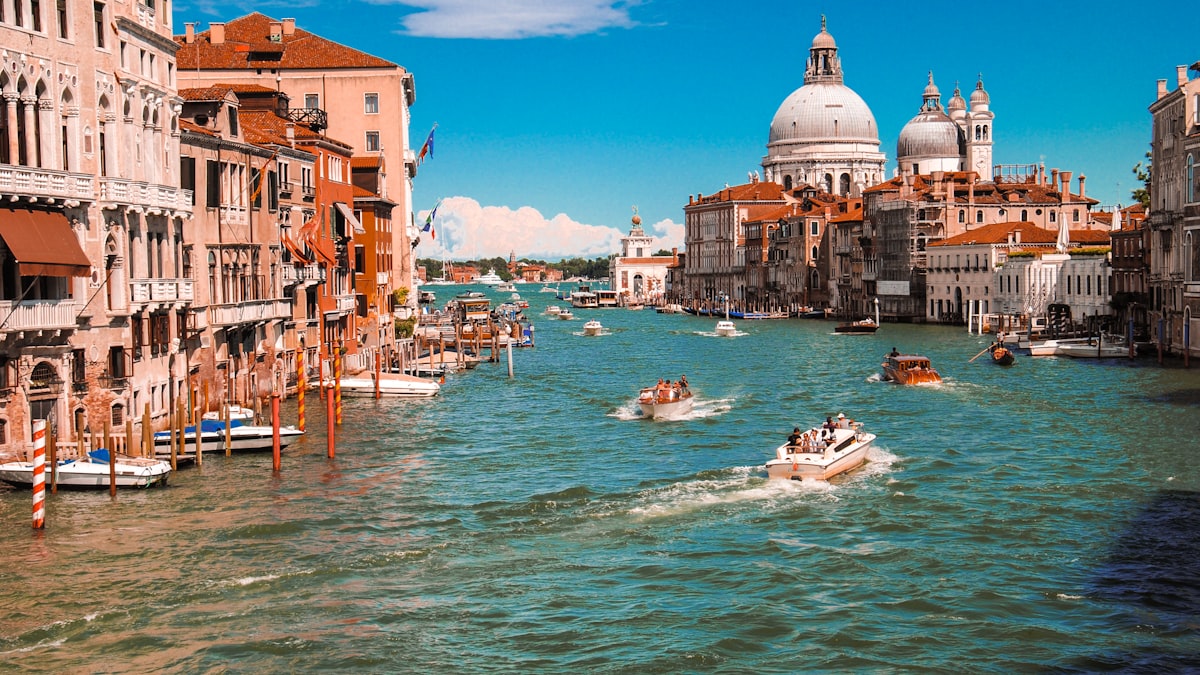
The most visible tool in this fight has been money, in the form of steadily rising tourist taxes and entry fees. Venice, long the poster child for overtourism, expanded its controversial day-tripper fee to ten euros, aiming to discourage the flood of visitors who arrive for a few hours and leave little behind but congestion.
Other cities have followed with their own increases and innovations. Barcelona has moved to double its tourist tax, with charges reaching as high as fifteen euros per person per night at hotels, while in Paris the Louvre has introduced dual pricing, charging visitors from outside the European Union more than local and EU guests to enter.
Amsterdam has emerged as one of the most expensive cities of all for visitors in this respect. The Dutch capital levies a room tax of around twelve and a half percent, alongside a separate charge of roughly fifteen euros per person for those arriving by cruise ship, cementing its place among the highest-charging destinations in Europe.
Caps on Crowds and Cruises
Beyond taxation, a growing number of places have decided that some limits simply cannot be bought around, and have imposed hard caps on numbers instead. Athens, for example, now enforces a strict daily limit of twenty thousand visitors at the Acropolis, protecting the ancient site from the physical wear and tear of relentless foot traffic.
Cruise ships, often blamed for dumping thousands of day visitors into small centres at once, have become a particular target. The French Riviera cities of Nice and Cannes both began limiting the number of cruise passengers they will accept from the summer of 2026, signalling that even lucrative maritime tourism is no longer welcome at any scale.
These caps represent a philosophical shift as much as a practical one. Rather than chasing ever-higher visitor numbers, destinations are beginning to prioritise the quality of the experience and the wellbeing of residents, accepting that turning some people away may be the only way to preserve what made a place special in the first place.
The War on Short-Term Rentals
Perhaps the most consequential battle is being fought over housing, where short-term holiday rentals are accused of pushing locals out of their own neighbourhoods. Spain has removed around sixty-five thousand non-compliant listings, while Barcelona has announced plans to phase out short-term tourist rentals entirely by the year 2028.
Amsterdam has taken a similarly aggressive stance, with its city council voting to slash the number of licensed short-term rentals from around fourteen thousand properties down to just seven thousand. The aim is to return apartments to long-term residents and ease a housing squeeze that many blame directly on the tourism boom.
What It Means for Travelers
Underpinning all of these measures is a groundswell of public anger that governments can no longer ignore. Demonstrations have been recorded across more than forty Spanish cities alone, with further protests erupting in Italy, France, Portugal and Greece, and residents from Barcelona to Santorini demanding a more sustainable and respectful model of tourism.
For the traveler, the message of 2026 is that visiting Europe now comes with more responsibility, more planning and often more expense. Yet these changes also open the door to a better kind of trip, one that rewards those willing to travel in the off-season, explore lesser-known towns, and treat each destination as a living community rather than a backdrop.