 Sofia BernasconiVIEW PROFILE →
The 10,000-Yen Night: How Kyoto's Record Hotel Tax Became Overtourism's Sharpest Weapon
From March 2026, Kyoto will charge luxury guests up to 10,000 yen per person, per night, the highest hotel tax in Japanese history and a ninefold jump on the old ceiling. Here is how the new tiered levy works, who pays what, and why the ancient capital is betting on price to tame the crowds.
For years, cities buckling under the weight of their own popularity have reached for the same blunt instrument to slow the tide of visitors: a tax. Now the ancient Japanese capital of Kyoto, one of the most photographed and most crowded destinations on earth, is pushing that idea further than any Japanese city ever has, with a levy so steep it has become the sharpest symbol yet of the global war on overtourism.
A record-breaking levy
The headline figure is enough to make even a seasoned traveller pause. From March 2026, Kyoto will be authorised to charge guests as much as 10,000 yen per person, per night at the city's most luxurious hotels, a sum that instantly becomes the highest accommodation tax ever imposed anywhere in Japan and a dramatic departure from the modest fees of the past.
To grasp just how large a leap this represents, it helps to look at what came before, and the details of how the new system works are worth studying closely. Until now, the maximum levy any guest could face in Kyoto was capped at just 1,000 yen a night, meaning the new top rate amounts to a tenfold increase, or a jump of some 900 percent, for those staying at the very top end of the market.
Who pays what
Crucially, the new tax is not a single flat charge but a carefully tiered structure designed to scale with the price of the room. Budget travellers are largely shielded, with stays in accommodation priced under 6,000 yen a night continuing to pay a modest 200 yen per person, ensuring the sharpest edges of the policy fall on those who can most comfortably absorb them.
From there the ladder climbs steadily. Mid-range rooms priced between 6,000 and just under 20,000 yen will carry a 400 yen charge, while stays from 20,000 to just under 50,000 yen a night will incur 1,000 yen. The steepest steps come at the luxury end, where rooms between 50,000 and 100,000 yen a night jump to 4,000 yen, and anything above 100,000 yen reaches the headline 10,000 yen ceiling.
The money and the mission
Behind the eye-catching numbers lies a clear financial ambition on the part of the city. Officials expect the reformed tax to generate roughly 12.6 billion yen, or around 82 million dollars, in its first year, a substantial windfall when measured against the far smaller sums the original levy had been quietly collecting since it was first introduced back in 2018.
That revenue, however, is not simply intended to fill municipal coffers. The stated purpose of the increase is twofold, aiming both to manage the corrosive effects of overtourism on daily life in the city and to fund the improvements to infrastructure and services that are needed to cope with the sheer volume of people passing through Kyoto's streets, shrines and temples.
Why Kyoto, and why now
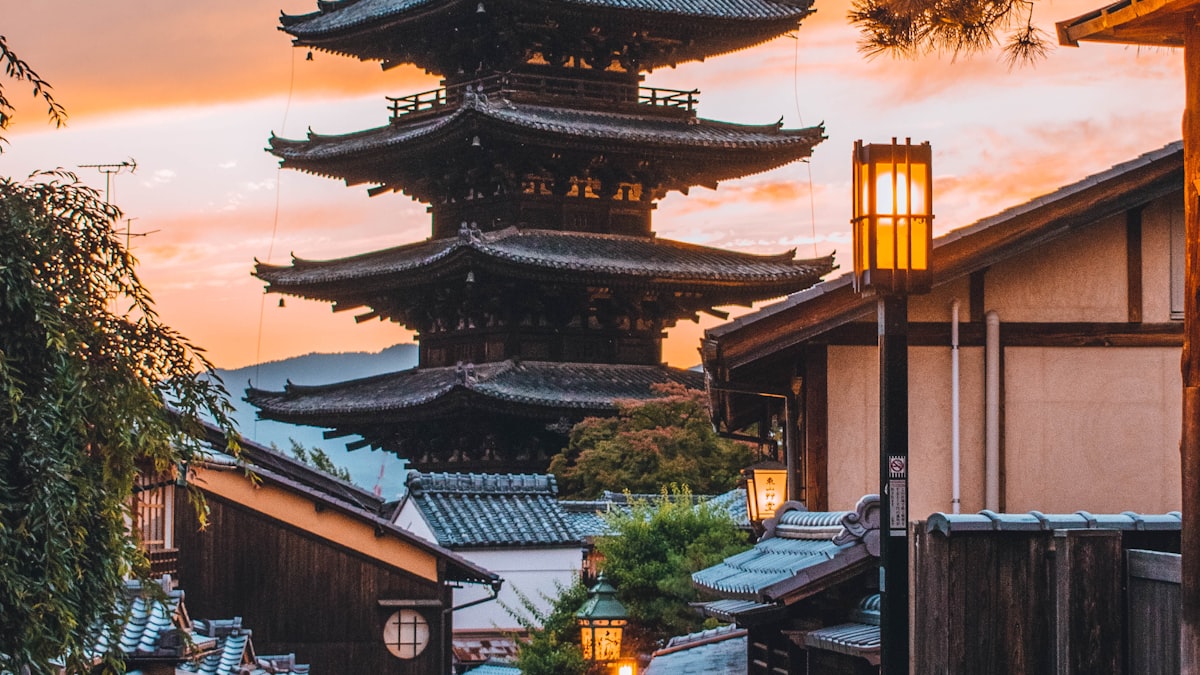
Few places embody the tensions of modern tourism as vividly as Kyoto. Its narrow historic lanes, geisha districts and centuries-old temples were never designed for the crush of contemporary crowds, and residents have grown increasingly vocal about congestion on buses, overwhelmed neighbourhoods and the erosion of the quiet atmosphere that made the city special in the first place.
In that context, the tax functions as more than a revenue tool; it is a statement of intent. By deliberately targeting the highest-spending visitors, the city is signalling that it wants tourism to remain valuable without remaining unmanageable, nudging the balance away from sheer volume and toward a model it hopes will prove more sustainable over the long term.
A wider global wave
Kyoto is far from alone in reaching for the levy as a lever. Across the world, destinations from European capitals to island resorts have introduced or raised tourist taxes in an effort to reclaim some control over their own streets, making Kyoto's move less an outlier than the boldest expression yet of a trend that has been gathering force for several years.
What sets the Kyoto case apart is the sheer scale of the jump, which turns a once-symbolic charge into a genuinely material cost for luxury travellers. It is a test case that other over-visited cities will be watching closely, curious to see whether a tax this aggressive can actually change behaviour or whether determined visitors will simply pay and carry on regardless.
What it means for travellers
For the millions who plan to visit Kyoto in 2026 and beyond, the practical takeaway is straightforward but worth planning for. The tax is charged per person and per night, which means it can add up quickly for families or longer stays, and the amount owed is tied directly to the nightly room rate rather than to any measure of how much time one actually spends in the city.
None of this is likely to deter the truly determined, for Kyoto's cultural pull remains as powerful as ever. Yet the new tax is a reminder that the era of consequence-free mass tourism is drawing to a close, and that the privilege of standing before a thousand-year-old temple at dawn now comes, quite literally, at a rising price.