 Sofia BernasconiVIEW PROFILE →
Noctourism: why 2026 travelers are chasing the dark instead of the sun
From aurora hunting to stargazing safaris, nighttime travel has become one of 2026's defining trends. Booking.com found 62% of travelers keen on darker-sky destinations, and the stargazing market just hit $1 billion.
For decades, the travel industry sold a single, sun-drenched dream: golden beaches, cloudless skies and long days under a bright sun. In 2026, however, a growing number of travelers are chasing the exact opposite, planning entire trips around darkness, night skies and the phenomena that only appear once the sun goes down.
This emerging movement has a name: noctourism. It covers a wide spectrum of experiences designed specifically around the nighttime, from stargazing expeditions and after-dark safaris to guided night tours of cities and special late-opening sessions at museums. The common thread is a deliberate embrace of the hours most tourists sleep through.
A trend backed by hard numbers
Far from being a niche curiosity, noctourism is now a measurable force in the industry. According to travel predictions from Booking.com, a striking 62 percent of travelers say they are interested in darker-sky destinations and noctourism experiences, signaling a genuine shift in what people want from a holiday.
The financial data tells an equally compelling story. The global stargazing tours market reached one billion dollars in 2025, and analysts project that figure to triple by 2032. It is a remarkable trajectory for a segment that was, until recently, considered the preserve of dedicated amateur astronomers.
The shift is also reshaping the wider adventure sector. Nighttime experiences now account for roughly 22 percent of all new adventure tourism products, a dramatic jump from just 8 percent back in 2020. In other words, nearly one in four new adventures being designed today is built around the dark.
What is driving the shift after dark
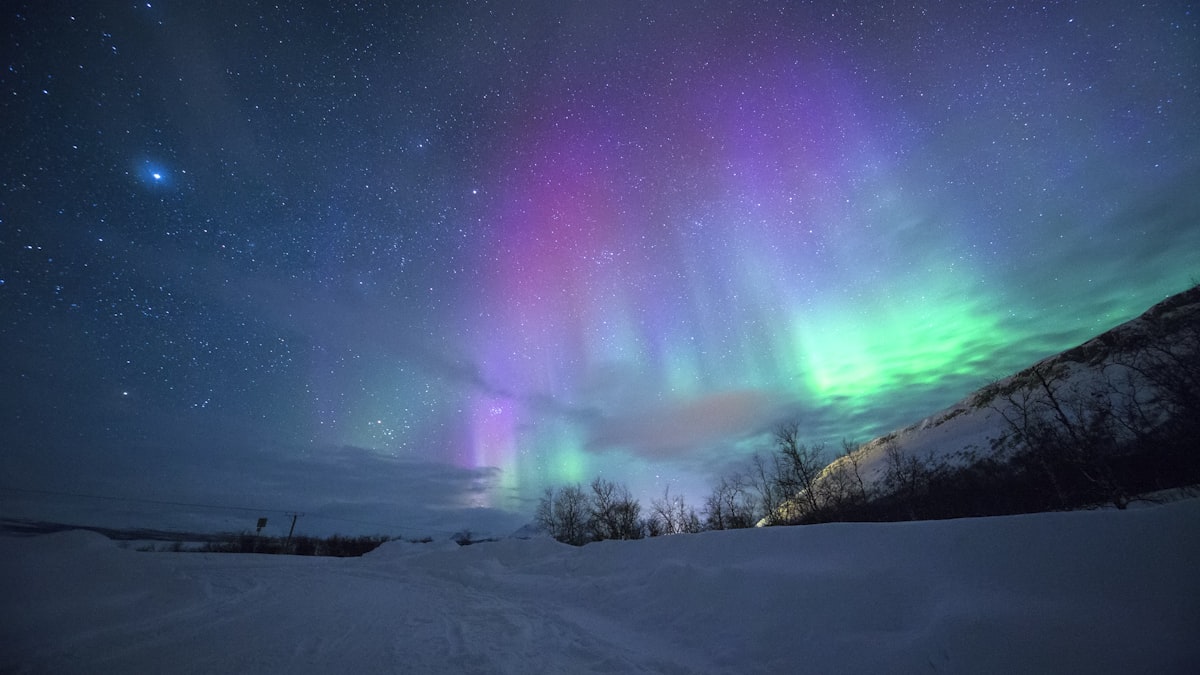
Several forces are converging to push travelers into the night. One of the most powerful is astronomical: the 2024 to 2026 solar maximum has amplified aurora activity to a generational peak, offering the best chances in years to witness the northern and southern lights in all their glory.
Technology has played its part too. Sophisticated light pollution mapping now makes it possible to pinpoint the darkest, clearest skies with real precision. Travelers no longer have to guess where to go; they can identify certified dark-sky zones and plan their trips around guaranteed celestial visibility.
Climate is another surprisingly strong motivator. More than half of those surveyed say they plan to shift their sightseeing to the cooler nighttime hours specifically to escape rising daytime temperatures, blending the noctourism trend with the growing desire to avoid extreme summer heat.
From bucket list to mainstream
The appeal of noctourism also lies in its emotional depth. Experiences such as watching a bioluminescent bay glow, tracking nocturnal wildlife on a night safari or lying beneath a river of stars offer a sense of wonder and disconnection that daytime sightseeing often struggles to match.
Destinations and hotels have been quick to respond to the demand. A wave of properties now market themselves specifically around stargazing, offering everything from in-house telescopes and resident astronomers to dedicated dark-sky viewing decks designed to make the most of unpolluted night skies.
For travelers, the practical advice is to plan carefully. The best noctourism experiences depend on factors like the lunar cycle, seasonal aurora forecasts and local weather, meaning timing matters far more than it does for a conventional daytime holiday built around a hotel and a beach.
As 2026 unfolds, noctourism looks less like a passing fad and more like a lasting evolution in how people explore the world. In an age of overcrowded landmarks and scorching afternoons, the quiet magic of the night sky is proving to be one of travel's most powerful and enduring new draws.